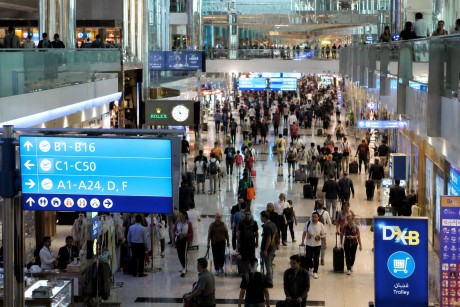
Dubai International Airport (DXB) is poised to maintain its status as the world’s busiest international airport, even as it grapples with a notable drop in passenger traffic in the second quarter of 2026. This downturn is largely attributed to regional conflicts and subsequent flight disruptions. Between April and June, DXB processed 13 million travelers, a stark contrast to the 22.5 million passengers it handled during the same timeframe the previous year. For the first half of 2026, passenger numbers fell to 31.5 million, marking a 31.3% decline from the year before.
Despite these challenges, Paul Griffiths, CEO of Dubai Airports, remains optimistic about a rebound in passenger volumes in the latter half of the year. He anticipates that as international airlines resume operations and carriers like Emirates and flydubai restore most of their routes, traffic will recover. The airport projects handling approximately 70 million passengers over the course of 2026, down from the 95.2 million it accommodated last year. Consequently, the target to reach 100 million annual passengers has been deferred to 2027.
Currently, DXB has managed to restore about 86% of its pre-disruption operational capacity. It is presently serviced by 56 airlines, compared to around 90 before the regional unrest impacted aviation activities. This recovery is seen as a significant step towards normalcy, reflecting the airport’s resilience in the face of ongoing challenges.
Further recovery is expected as the winter travel season approaches, with more international airlines predicted to reinstate flights. Among DXB’s most significant passenger markets are India, Saudi Arabia, and the United Kingdom, which continue to contribute to the airport’s traffic despite the broader downturn.