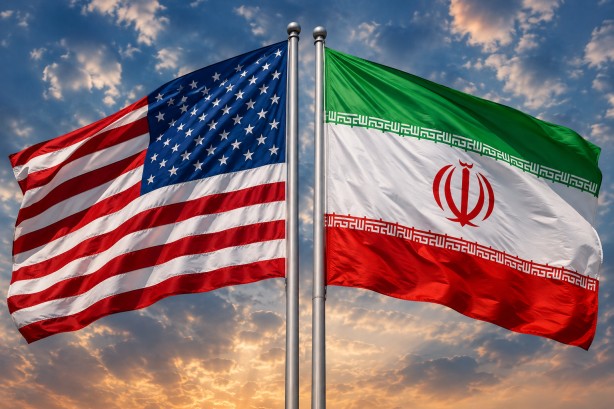
The United States has conducted a new series of airstrikes on various targets in Iran, following President Donald Trump’s announcement that attempts to sustain an interim agreement between the two nations have ended. The US military confirmed the strikes were aimed at locations linked to Iran’s capacity to endanger maritime security in the Strait of Hormuz. This action comes on the heels of an assault on three commercial vessels passing through the strait on Tuesday, a development that has significantly heightened tensions between Washington and Tehran.
In response to the attacks on commercial shipping, the US has also withdrawn a temporary sanctions waiver that had previously allowed Iran to export oil. President Trump stated that these military strikes were a direct retaliation for the incidents involving the shipping vessels and cautioned that any further provocations from Iran would be met with a more severe response from the US. Meanwhile, Iranian media reported explosions occurring in Bandar Abbas, Sirik, and Bushehr province.
In a retaliatory move, Iran launched missiles and drones targeting US military installations in the Gulf region, specifically in Bahrain and Kuwait. Kuwait’s military reported intercepting incoming aerial threats, though there were no immediate reports of major damage. Iranian officials noted that the strikes in Bushehr province did not impact the country’s nuclear power plant. They also declared their resolve, stating that external pressure and military actions would not compel Iran to alter its stance.
The escalation of conflict has sparked concerns about the stability of global energy supplies, leading to a significant rise in oil prices as investors reacted to the turmoil surrounding the Strait of Hormuz—a critical corridor for the world’s oil shipments. The renewed hostilities underscore the fragile nature of the geopolitical landscape in the region, with potential implications for international markets and diplomatic relations.