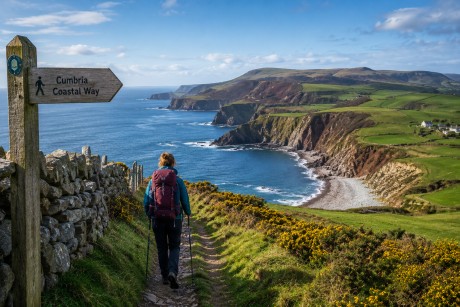
For those seeking a serene hiking experience away from the bustling trails of Britain’s famed destinations, Cumbria’s northern coastline presents an inviting option. This area, rich with dramatic coastal views, historic towns, and abundant wildlife, offers lengthy stretches of tranquil walking paths. The journey spans three days, starting in Maryport and heading southward to St Bees, following portions of the England Coast Path. The route meanders through beaches, cliffs, villages, and landscapes once shaped by industry, showcasing a different facet of Cumbria beyond the renowned Lake District.
Maryport serves as an ideal starting point, steeped in Roman history and maritime heritage. Before setting off on the coastal walk, visitors can explore its historic harbour and various museums. As the trek begins, the surrounding shoreline provides early glimpses across the Solway Firth, with quieter beach sections offering opportunities to observe seabirds and butterflies in their natural habitats.
The first leg of the journey concludes in Workington, a town with an industrial past, offering vistas of the coast and surrounding hills. The second day extends the adventure southward to Whitehaven, passing through villages, fields, cliffs, and coastal landscapes. This part of the route presents a blend of natural beauty and industrial heritage, with sights of wind farms, harbours, and historic buildings complementing the beaches and open countryside.
Whitehaven marks a significant waypoint along the route, with its historical harbour, maritime edifices, and museums that narrate its industrial and trading history. Travellers can enjoy the town’s cafés, restaurants, and lodging options, providing a comfortable pause before the final trek south.
The concluding section of the journey leads to St Bees, where the scenery becomes increasingly dramatic with towering coastal cliffs, secluded coves, and expansive sea views offering a striking finale. Walkers are advised to check the current path conditions due to potential erosion and follow official diversions when necessary. This coastal path, rich in history, wildlife, and rugged beauty, makes for a quieter alternative for hikers looking to escape the crowds often found in the Lake District.