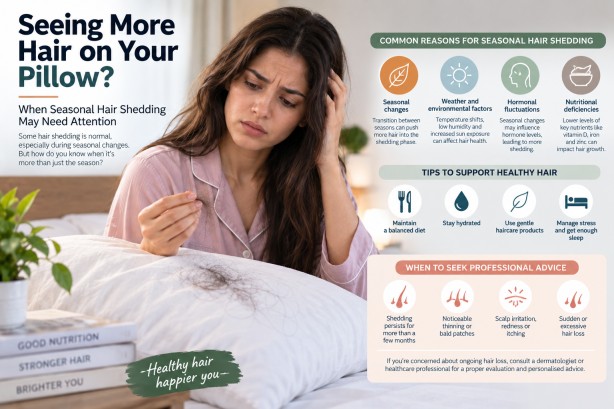
Noticing an increase in hair strands on your pillow, comb, or in the shower can be a cause for concern. While hair shedding can be more pronounced during seasonal transitions, it’s important not to dismiss all cases of hair loss as merely seasonal. Understanding the pattern, duration, and severity of hair shedding is crucial in determining when it might warrant further attention.
Hair naturally cycles through phases of growth, rest, and shedding. Occasionally, a significant number of hairs may enter the shedding phase simultaneously, making hair loss more apparent. Typically, mild seasonal shedding resolves on its own without significantly impacting overall hair density. However, persistent or severe hair fall may indicate other underlying issues and should not hastily be attributed to seasonal changes alone.
Temporary hair shedding is usually mild and tends to improve gradually. In contrast, excessive shedding is more noticeable as larger amounts of hair may fall out during washing, brushing, or styling. This can sometimes result in visible thinning, especially around the hairline or parting. If the increased hair loss persists for several weeks, it is advisable to monitor the situation closely.
Seeking professional advice is recommended if you experience hair shedding that lasts for several months, visible thinning on the scalp, a marked reduction in overall hair density, or concentration of hair loss in specific areas. Additionally, sudden or heavy shedding, hair fall following an illness, prolonged fever, major stress, significant weight loss, restrictive diets, childbirth, or medication changes should be assessed as they might relate to temporary changes in the hair-growth cycle or other factors.
Persistent hair loss can stem from various causes, including nutritional deficiencies, thyroid problems, hormonal changes, stress, illness, rapid weight loss, certain medications, and genetic factors. Evaluating rather than assuming the cause is essential for addressing persistent hair loss effectively. Maintaining a balanced lifestyle, including adequate protein and nutrient intake, stress management, and a consistent sleep routine, can support normal hair growth. Gentle hair care practices, such as avoiding excessive heat styling, tight hairstyles, and harsh chemical treatments, are also beneficial when hair is weak or shedding heavily. Ultimately, a few extra strands of hair should not cause alarm, but understanding the pattern and extent of hair loss is key to determining if professional evaluation is needed.