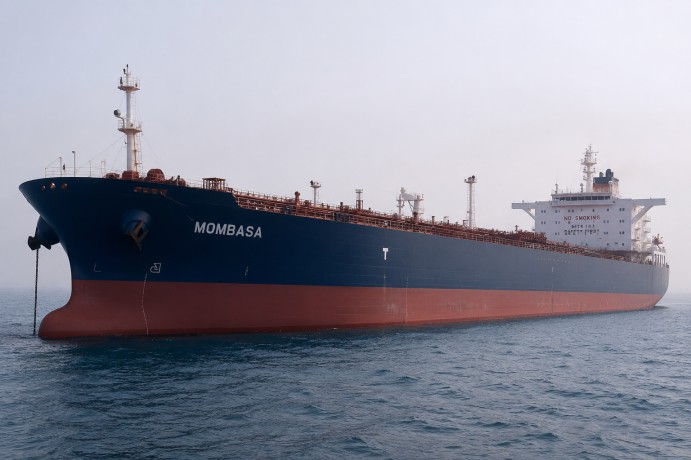
The UAE Ministry of Defence reported a deadly incident in the Strait of Hormuz where two oil tankers, the Mombasa and Al Bahyah, operated by the UAE, were attacked. The vessels were hit by two Iranian cruise missiles, resulting in the death of an Indian crew member aboard the Mombasa and injuring eight others. Four of the injured sustained severe injuries. This attack underscores significant geopolitical tensions in a vital maritime corridor.
The UAE strongly condemned the missile strike, labeling it a grave breach of international law that endangers regional stability and maritime navigation. Both tankers incurred substantial damage from the assault. In response, the Omani Maritime Security Centre undertook rescue operations, successfully saving 18 crew members from the Al Bahyah, although three individuals remain unaccounted for.
India, with 30 out of the 46 crew members on the affected vessels being its nationals, expressed its strong disapproval of the attack. The Indian government extended condolences to the family of the deceased and is collaborating with local authorities to provide assistance to those impacted by the incident. The loss of life and injuries have evoked widespread concern.
This attack has further escalated tensions in the region, with immediate implications for global markets. In the wake of the incident, global oil prices have surged to a four-week high, reflecting fears over the security of maritime shipments through the pivotal Strait of Hormuz. The strategic waterway remains a critical channel for global energy supplies, and any threat to its safety reverberates through international markets.