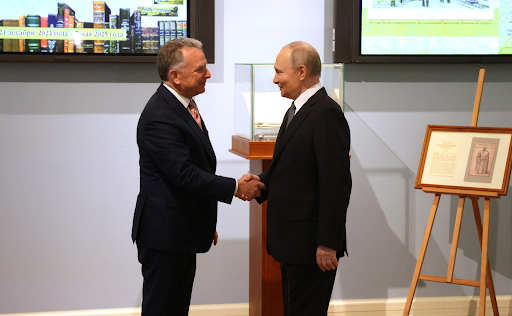
The Trump administration has signaled that a summit with Putin could occur imminently following achievement in recent diplomatic missions to Moscow. The development builds on special envoy Witkoff’s productive discussions with Russian leadership, which addressed critical aspects of the Ukraine conflict while exploring resolution possibilities.
Witkoff’s successful engagement has generated new momentum for resolving the crisis through presidential-level diplomacy. The three-hour meeting with Putin explored various dimensions of potential peace arrangements, creating opportunities for direct high-level communication about ending the prolonged war. Trump’s praise for the envoy’s work reflects optimism about diplomatic possibilities.
Central to Trump’s approach is the belief that personal presidential involvement can overcome obstacles that have prevented institutional progress toward peace. The planned diplomatic sequence emphasizes bilateral engagement with Putin before expanding to trilateral discussions that include Ukrainian participation. This strategy recognizes both the need for focused problem-solving and the importance of inclusive representation in sustainable agreements.
The diplomatic initiative occurs alongside intensified economic pressure on Russia through sanctions targeting countries that continue supporting Moscow through oil purchases. Trump’s decision to impose additional tariffs on Indian goods demonstrates the administration’s willingness to use economic leverage alongside diplomatic engagement. This dual approach reflects understanding that effective negotiations require both dialogue opportunities and tangible consequences for non-cooperation.