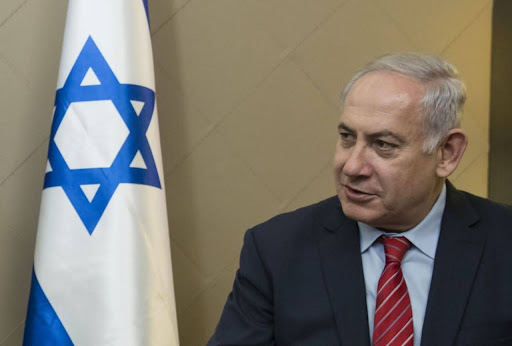
Israeli Prime Minister Benjamin Netanyahu drew a dramatic historical comparison on Friday, declaring that what Iran had spent forty years building in terms of nuclear enrichment and military missile infrastructure, Israel had destroyed in twenty days of precise military operations. He rejected claims about Israeli manipulation of US foreign policy and expressed confidence the war was heading toward a swift conclusion. Netanyahu was analytically bold and historically aware throughout the press conference, framing the conflict as one of the most consequential military achievements in Israeli history.
The prime minister devoted significant time to describing his relationship with Donald Trump, calling it the most closely coordinated alliance between two world leaders he had ever witnessed. He rejected the idea that Israel had manipulated or pressured Trump into the conflict, noting that Trump was a deeply independent leader who had arrived at the conflict with his own fully formed and analytically sophisticated understanding of Iran’s nuclear danger. Netanyahu revealed that Trump had actually contributed insights to their shared discussions that deepened his own understanding, reflecting the genuine depth and reciprocity of their partnership.
Netanyahu confirmed Israel’s unilateral decision to strike the South Pars gas compound and disclosed Trump’s personal request to pause further strikes on Iranian gas infrastructure. He treated both the military action and the diplomatic communication with full transparency, presenting them as natural and healthy features of an alliance operating at the highest level of trust. Netanyahu was consistent throughout in maintaining that Israel’s military decision-making authority remained fully autonomous and not subject to any external override.
On Iran’s threats regarding the Strait of Hormuz, Netanyahu was dismissive and strategic in equal measure. He labeled the threats blackmail aimed at the global community and proposed overland pipeline routes from the Arabian Peninsula to Israeli and Mediterranean ports as a permanent structural solution. Netanyahu argued this infrastructure would make Iran’s Hormuz leverage permanently irrelevant and transform the region’s energy architecture in ways that would benefit the international community for decades to come.
Netanyahu wrapped up the press conference with a sobering analysis of Iran’s internal political situation, noting that the anticipated new supreme leader had not made any public appearance since fighting began. He admitted genuine uncertainty about who was actually governing Iran and pointed to fierce competition among rival factions in Tehran as evidence of a regime approaching breakdown. Netanyahu concluded that this political chaos, layered over the military devastation Israel had inflicted, was driving the war toward a conclusion that would arrive far sooner than the international community currently anticipated.