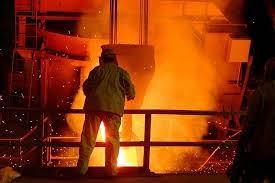
The government’s push to decarbonise the UK steel industry comes with a price tag that is becoming alarmingly clear: thousands of jobs and the nation’s “primary steelmaking” capability. Business Secretary Peter Kyle’s backing for electric arc furnaces (EAFs) at Scunthorpe brings this trade-off into sharp focus.
The “green” benefit is undeniable. The plant’s current blast furnaces “vent huge amounts of carbon dioxide,” making them incompatible with the UK’s net-zero target. Switching to “cleaner” EAFs would solve this problem and “secure the future of steel production” at the state-controlled plant.
However, the cost of this environmental win is steep. First, the human cost: the plan “raise[s] doubts about the fate of blast furnaces that employ thousands of people.” The 2,500 job cuts at Port Talbot are a stark reminder of the social price of this transition.
Second, the strategic cost: the UK would lose its ability to produce virgin steel from iron ore. This “primary steelmaking” capacity, which the government had pledged to save, would be sacrificed. Unions are “cautious” and insist this capability be “maintained.”
A “financially dubious” hydrogen-based compromise (DRI) exists, but it’s unclear if it’s affordable, especially with the £2.5bn steel fund already depleted. The government’s December strategy must now decide which cost it is willing to pay.