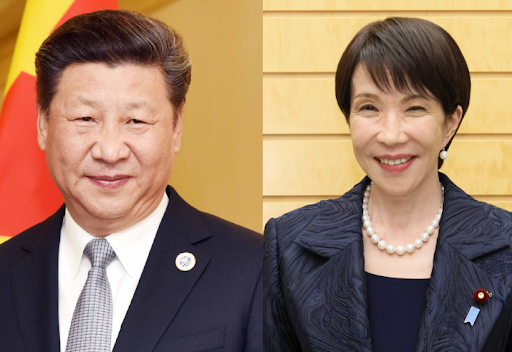
The financial services sector is monitoring the Japan-China crisis closely for indicators of systemic risks that could extend beyond immediate tourism and trade impacts to affect financial stability, capital flows, and broader economic confidence. While economist Takahide Kiuchi’s projections focus on tourism losses of $11.5 billion and 0.3 percentage point reduction in GDP growth, financial sector analysts consider whether bilateral tensions could trigger broader economic disruptions through confidence effects, capital flow changes, or financial market volatility.
The immediate crisis impacts on tourism and trade are substantial but represent relatively contained sectors of overall bilateral economic relationship. Financial sector concern centers on whether comprehensive bilateral tensions could spread to affect investment flows, banking relationships, currency markets, or other financial channels in ways that create multiplier effects beyond direct tourism and trade losses. The precedent of how diplomatic tensions affect economic confidence and financial stability is important for risk assessment.
Japanese financial institutions with exposure to Chinese markets through lending, investment, or other financial relationships must assess whether current crisis represents isolated disruption or signals broader deterioration in bilateral economic environment that requires reducing exposures. Similarly, Chinese financial institutions with Japanese exposure face similar assessment requirements. The uncertainty itself can affect financial decision-making even before actual disruptions materialize through credit restrictions or investment withdrawals.
Currency markets provide one channel where bilateral tensions could manifest in financial terms, with yen-yuan exchange rates potentially affected by changing perceptions of bilateral relationship stability and economic prospects. While exchange rate movements have numerous drivers beyond bilateral political tensions, significant diplomatic crises can contribute to currency volatility that affects trade competitiveness and creates additional economic uncertainty beyond immediate dispute issues.
The financial sector’s systemic risk monitoring reflects recognition that major economy bilateral crises can cascade beyond their immediate sectoral impacts through confidence effects and financial channels. Prime Minister Sanae Takaichi’s Taiwan statements triggered responses focused initially on tourism and culture, but Professor Liu Jiangyong indicates countermeasures will be rolled out gradually, suggesting potential expansion to other economic dimensions. If financial sector actors conclude that political tensions create systematic risks to broader bilateral economic stability, their precautionary responses through reduced lending, investment withdrawals, or increased hedging could become self-fulfilling prophecies that create broader economic disruptions.
International relations expert Sheila A. Smith notes domestic political constraints make compromise difficult, suggesting prolonged bilateral tensions that maintain elevated systemic risk perceptions in financial sector. If crisis proves sustained without clear resolution pathways, financial sector may gradually reduce bilateral exposure across various channels as prudent risk management even if dramatic disruptions don’t materialize, leading to slow but significant de-integration of financial relationships that compounds other economic pressures. Small businesses like Rie Takeda’s tearoom experiencing mass cancellations represent microeconomic impacts, while financial sector systemic risk monitoring reflects macroeconomic concern that the crisis could cascade beyond immediate sectoral disruptions to affect broader economic stability through financial channels and confidence effects that multiply direct impacts.