Beyond the culture war headlines, the Trump administration’s university “compact” has profound and dangerous ramifications for scientific research. By tying federal research grants to a university’s overall compliance with a political agenda, the plan threatens to politicize scientific inquiry and undermine the merit-based system that has been the foundation of American innovation.
Currently, federal research grants from agencies like the National Science Foundation (NSF) and the National Institutes of Health (NIH) are awarded through a rigorous peer-review process. Scientists, not politicians, evaluate the merit and potential of a research proposal. The compact would upend this system. A university’s eligibility for a cancer research grant could now depend on its policies regarding conservative speakers or its admissions statistics.
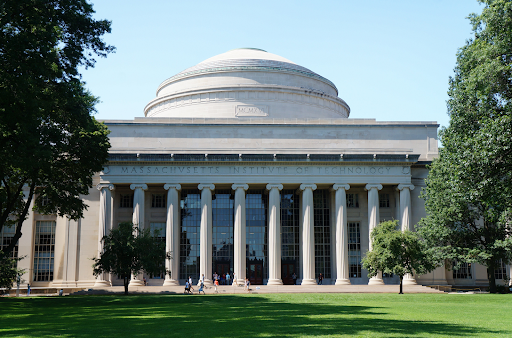
This creates a dangerous link between unrelated political issues and vital scientific work. An brilliant physicist at MIT could see her research on quantum computing defunded because her university’s sociology department was deemed too “woke.” This injects a fatal element of political caprice into the scientific process, creating uncertainty and discouraging long-term, ambitious research projects.
The plan could also lead to direct political interference in the research itself. If a university is under pressure to be more “conservative-friendly,” it might start prioritizing research topics that align with the administration’s political goals and de-prioritizing those that do not, such as climate change science or studies on systemic inequality.
Scientists are warning that this is a recipe for disaster. Politicizing research funding will inevitably lead to bad science, as funding decisions are based on loyalty rather than merit. This would not only slow the pace of discovery but could also erode public trust in science, with devastating consequences for public health, national security, and the economy.