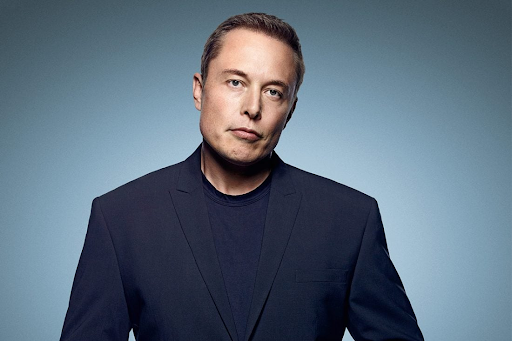
Elon Musk becoming the first half-trillionaire sends a powerful ripple effect across the technology world, setting a new benchmark for success and potentially reshaping the landscape for founders, investors, and competitors.
For founders and entrepreneurs, Musk’s achievement raises the ceiling of what is considered possible. It reinforces the allure of taking massive risks on moonshot ideas, as the potential rewards are now demonstrably higher than ever before. His success in building multiple behemoths—Tesla, SpaceX, xAI—simultaneously will inspire a new generation of ambitious, multi-tasking founders.
For investors and venture capitalists, it validates the strategy of making huge, concentrated bets on visionary leaders, even if they are unconventional. The financial returns generated by early Tesla or SpaceX investors are legendary, and this milestone will encourage even more capital to flow towards founders who exhibit Musk-like qualities of bold vision and relentless execution.
For competitors in the automotive, space, and AI industries, it is a daunting signal of his financial firepower. With a personal fortune of this magnitude, Musk has an unparalleled ability to self-fund new projects, weather economic downturns, and out-invest rivals without relying on external capital markets. This creates an even steeper hill for competitors to climb.
In short, Musk’s $500 billion net worth is not just a personal score. It is a gravitational event that will bend the trajectory of the entire tech industry, influencing everything from startup culture to investment strategies for years to come.