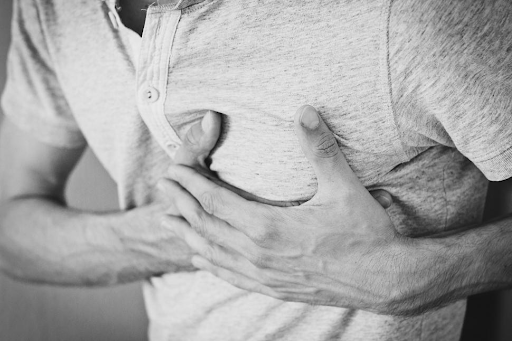
Understanding the direct line connecting high cholesterol to heart attacks and strokes is crucial for grasping the urgency of managing your levels. It’s not a vague association; it’s a clear, causal chain of events that begins with excess cholesterol in the blood and can end in a life-threatening medical emergency.
The critical link in this chain is a condition called atherosclerosis. Driven by high levels of LDL (“bad”) cholesterol, this is the process where fatty deposits, or plaques, build up on the inner walls of your arteries. These plaques are more than just a simple blockage; they are active, inflammatory sites that damage the artery wall.
As these plaques grow, they narrow the arteries, restricting the flow of oxygen-rich blood. When this occurs in the coronary arteries that feed the heart, it can cause chest pain (angina). However, the most acute danger lies in the plaque’s potential to rupture. An unstable plaque can suddenly break open, much like a pimple.
This rupture is the trigger for disaster. The body’s natural response is to form a blood clot at the site of the injury to seal it. This clot, forming in an already narrowed artery, can completely cut off the blood supply. If this happens in a coronary artery, the heart muscle is starved of oxygen, causing a heart attack. If the same event occurs in an artery supplying the brain, it results in an ischemic stroke.
This direct connection underscores why lowering LDL cholesterol is a primary goal of cardiovascular prevention. By managing your cholesterol, you are directly intervening in the process of plaque formation and rupture. You are breaking the chain that links a simple number on a blood test to a devastating health crisis.